Visit Glasgow is a website for tourists and travellers who want to make the most of the city. It is now two months old and I thought it would be interesting to walk through the process from initial idea to the present day and beyond.
Inspiration
I first had the idea for the site in December when I had been looking into SEO at work. Specifically, I had been going on Google’s search based keyword tool which shows you how often people search for various terms, how much competition there is and how much people pay for click through ads. This is key for any business that might rely on advertising. No point doing a site about unicorns in Govanhill if no one is searching for it. Here we can see what key phrases are popular around the word Glasgow. Hotels, very competitive but well paid. Things to do, less competitive. Flights, competitive. It’s all very well knowing about this, another to put it into practice and Visit Glasgow was essentially an experiment to see how hard it is to get a niche in a competitive market.
Competition
All of the other local sites appear to have sold their souls to the SEO devil or are just domain squatters. They are generally generic tourist sites, ultra-focused on keywords and piling on reviews and listings. Desperately selling flights and hotels. They have some useful information but it tends to be packaged in quite a nasty way. The ugliness speaks of the indifference to anything but money. This is another good thing about a side project, you aren’t swayed to make bad decisions in order to make money.
Content
Whenever you do a side project it helps to have content. I think the side of the brain you use to design and code a website is quite different from that which goes to making content. I was fortunate enough that my wife had written a lot o articles about Glasgow for a Spanish website called Soitu.es, which went bust last year. She had really enjoyed writing about Glasgow and was happy to become the editor and translate her articles to have ready made collection of content to use. So get the content early.
Motivation
I had been working on a difficult freelance project with clients who lacked a clear vision of what they wanted, adding features for the sake of it, changing their mind, and shifting the goal posts of the site. I had done a lot of work and had seen it undermined by poor decisions. This is a strong motivation to do something good and this is the beauty of a side project. Indeed, those ideas that were unused can get channeled into it. Like these colours.
Visual Inspiration
For the past year I’ve been collected visual inspiration from around the web in my Evernote notebook. Every day I go sites like Ffffound, PatternTap, and SiteInspire, which I think have helped to accelerate the aesthetics of web design by presenting a more radical vision. When I went to my Evernote for ideas for Visit Glasgow I found myself attracted to the clean, the colourful and the contemporary.
Typography
Helvetica, designed by Max Miedinger in 1957, has come to be seen as encapsulating the modernist credo of objectivity and rationalism. It is used in the New York Subway, street signs, and on a million posters. For Visit Glasgow we tried other typefaces, like Gotham, Hill House, and Caslon but nothing felt as right or as solid as Helvetica. I think it is especially good for tourist sites, which strive to have an international feel.
Colour
Each section of the website has been assigned a colour. The idea was that it would take the user from morning to night. I used Johannes Itten’s Colour wheel — Itten was a lecturer at the Bauhaus — as a basis bold, bright colours to keep it contemporary. Hopefully this doesn’t make it too unfaithful to the endless grey of Glasgow’s skies.
Photography
The other thing that really influenced me was the flickr creative commons license. We are living in a golden age of photography as everyone seems to have access to a fairly decent digital camera and can easily upload them onto Flickr. When you do upload them, make sure that you make them creative commons. Not only is it a fantastic way to get yourself known but it helps make the web a more attractive place.
Mockups
Here you can see the very early mockups. Exactly the same as the build. I didn’t spend very long at all on these because I was more interested in getting it built than in making it look good.
Building and Shipping
It too one weekend to go from this initial mockup to actually launching the site. Last month when the chap from Central Station was talking about how it had taken them 18 months to get that up and running I shuddered. In my experience these things tend to be more successful when you iterate. Launch something quickly and then improve it as you go along. I think it was Woody Allen who said Eighty percent of success is showing up. I think all too often these side projects never get released because people worry too much about with the process and end up getting bored with the whole thing.
One needs to learn to treat yourself as you treat a client. By releasing early, you get a sense of what works and what doesn’t and you get to channel all of that initial enthusiasm. Even if it is not perfect, which it isn’t, we can iterate and move things forward and get more content
HTML
In order to write the html quickly I used 960.gs which is a neat css grid framework that works well with all browsers. We had a stripped down aesthetic building things with css3 wherever possible. We don’t have any gradients, border shadow or rounded corners but if we did I would have done them with css3.
WordPress
I am not a web developer. I know a bit of php through hacking wordpress but that’s about it. I would always recommend to start fresh, never start with a template. Use snippets. There are some great ones out there that can be reused. It is always better to start simply and be in control. If WordPress has a bad reputation amongst content management it is because huge numbers of sites all look exactly the same. This is not really wordpress’s fault.

Post Thumbnails
But wordpress is great. In the last release (2.9) post thumbnails has been added. With this, you upload one image and this gets automatically resized into a small thumbnail, a medium image, and a large image. This allows everything to be done automatically, adding them here here and here. I can give this site to someone who knows nothing about html and they can update it and I have to do nothing. This is the dream of all web developers. The huge advantage of working with wordpress and all plugins have been created for it. It is so ubiquitous and I have put a list of the ones I used on my site.
The Future
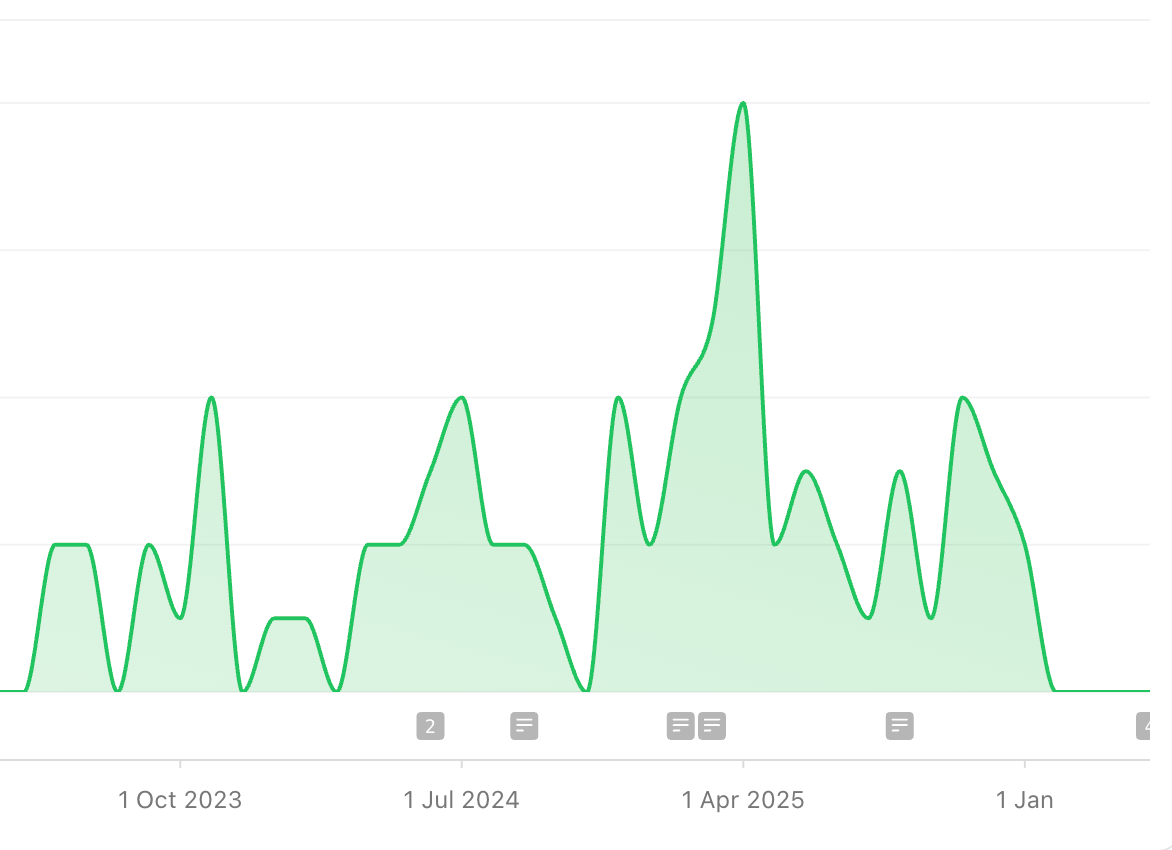
It is only two months old but we seem to be getting some traction on organic search listings, which is encouraging as this is our basic strategy: just to keep on doing cool stuff and getting more content and more external links. We have added local Glasgow sites on Twitter but we are not going to spam people or scam people using nefarious techniques. The key thing is to add new fresh content in a sustainable way.
Lessons Learned
If there is a lesson that I have learned from this process and the site it is this: Don’t think. All too often you can think yourself out of doing any of these side projects. If it seems like a cool idea and it is not going to stress you out trying to get it done then just do it. The key thing is to get projects out there, iterate and improve later.